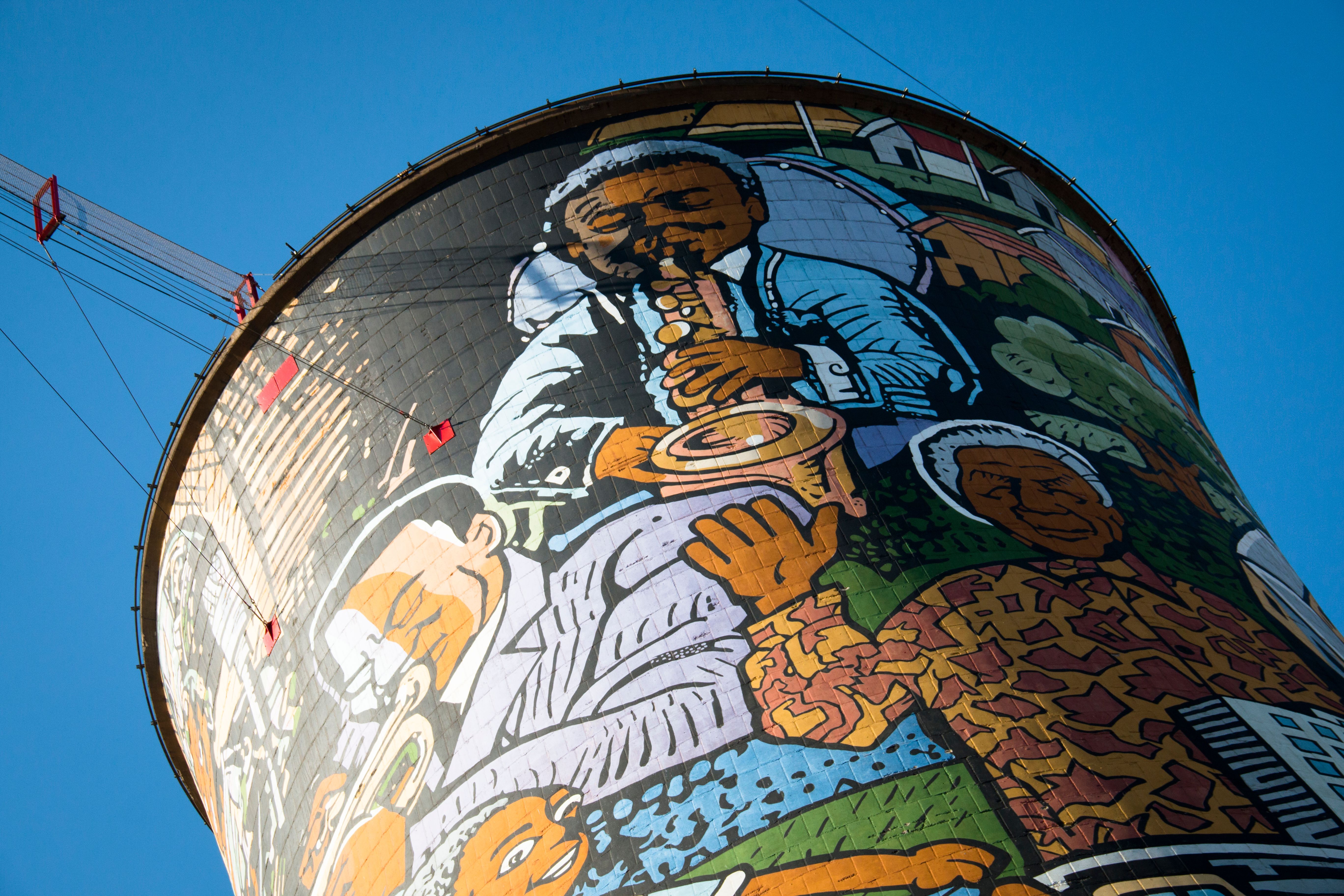
From foresight to action: Johannesburg’s path to a more inclusive and connected city
Johannesburg is a city of contrasts. South Africa’s economic powerhouse, it is also a place where the legacies of apartheid planning remain etched into the urban fabric. Millions of residents still live far from jobs, schools, and essential services, while informal settlements are interwoven throughout the city. At the same time, Johannesburg continues to attract new residents and investment, with its population expected to grow from 4.3 million today to 7 million by 2040.
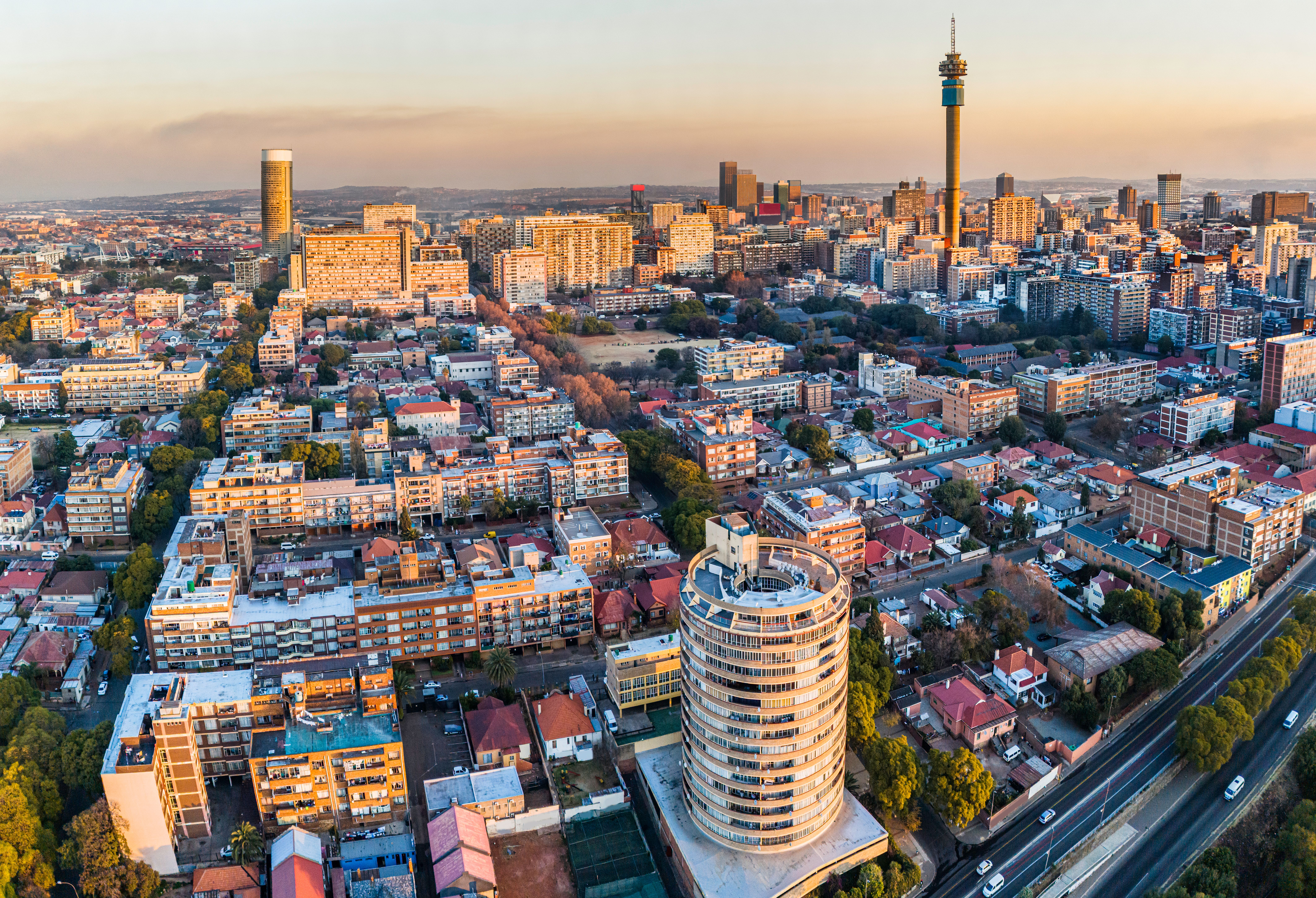
Johannesburg is using foresight tools to shape a more connected city and tackle deep-rooted inequalities.
How can a city facing long-standing social and spatial disparities prepare for the future? That question lies at the heart of Johannesburg’s work with strategic foresight. By using modelling and scenario planning, the city is not only anticipating growth but reimagining how to build a more inclusive, sustainable, and connected urban form.
In 2022, the City of Johannesburg partnered with the Council for Scientific and Industrial Research (CSIR) to launch the City Growth Modelling project. The project was motivated by persistent spatial disparities across the city, ranging from uneven population densities to unequal access to infrastructure and revenue collection, alongside the coexistence of formal and informal development patterns.
Johannesburg’s blueprint for the future aims to bridge divides and shape a city where growth benefits everyone.
Through the plan, CSIR compared two distinct futures. The first was a “trend scenario,” projecting existing trajectories of urban growth. The second aligned with the city’s Spatial Development Framework (SDF) 2040, incorporating strategic growth around Lanseria and the Southern Farms. The results made the stakes clear: only the SDF scenario could deliver better housing, jobs, and compact growth, pointing the way toward a more just and resilient Johannesburg. Beyond these insights, the planning process also enabled a social infrastructure gap analysis, helping the city identify intervention points for schools and facilities, and integrate them into capital planning.
The vision: A compact, polycentric, inclusive city
Johannesburg’s urban form remains profoundly shaped by the legacy of apartheid-era planning, which pushed many low-income communities to the city’s outskirts, far from jobs and essential services. In response, the city’s Spatial Development Framework 2040 sets out a long-term vision to address these divides by promoting spatial justice, inclusivity, and sustainability. This blueprint for the future aims to bridge divides and shape a city where growth benefits everyone.

Vibrant public spaces show the potential of mixed-use neighborhoods where people can live, work, and gather.
But the document points to five big obstacles holding Johannesburg back. The city’s natural environment is under strain and sprawl leaves neighborhoods scattered and disconnected. At the same time, promising areas of land remain underused or locked away in gated developments, and existing neighborhoods are often too uniform: low in density and lacking the mix of housing, shops, and services that make a city vibrant.
By 2040, Johannesburg’s population is projected to grow from 4.3 million to 7 million residents.
To tackle these challenges, the plan imagines Johannesburg growing in a new way: instead of spreading endlessly outward, the city would concentrate growth in several lively centers, each well connected by reliable public transport. The aim is to invert Johannesburg’s “inverted polycentricity,” where major economic hubs are misaligned with residential areas, and instead align housing, jobs, and services in walkable, mixed-use centers. Ultimately, with its plan, Johannesburg aspires to build a “spatially just world-class African city based on a compact polycentric growth model” that supports both social inclusion and environmental sustainability.
One of the main ways to make this vision real is by creating ‘transformation zones’, or specific areas where the city will focus new plans, investment, and development to spark change. Among these, Soweto stands out as a central focus.
Unlocking Soweto as a true urban district
Soweto is no ordinary neighborhood. Once designated as a Black-only township under apartheid, it is now home to around 40% of Johannesburg’s population—1.3 million people, the size of a city within a city. For decades, its residents have carried the weight of Johannesburg’s spatial divides: long commutes, limited services, and too few opportunities close to home.
Yet Soweto also holds the key to a different future. In Johannesburg’s long-term vision, it is not a peripheral settlement but a vibrant urban district, alive with jobs, schools, hospitals, and public spaces. The plan is to build neighborhoods that can stand on their own—places where people can live, work, and thrive without having to travel hours to the inner city.
Soweto is at the heart of Johannesburg’s transformation plan, singled out as one of its priority zones for change.
To succeed, Soweto needs stronger connections. Public transport is the backbone: many of the key hubs sit near train stations or bus interchanges, but these systems are still underperforming. Improving them—along with better streets, safer walkways, and livelier public spaces—is at the heart of the transformation.
Change is already visible, with concrete initiatives that translate the vision of the Spatial Development Framework into reality. Projects like Orlando eKhaya and Power Park are bringing nearly 6,000 new homes to Soweto, in a precinct surrounded by major public amenities such as Chris Hani Baragwanath Hospital, the University of Johannesburg Soweto Campus, and several commercial centres.
Soweto is set to emerge as a key metropolitan hub, tied closely to the inner city.
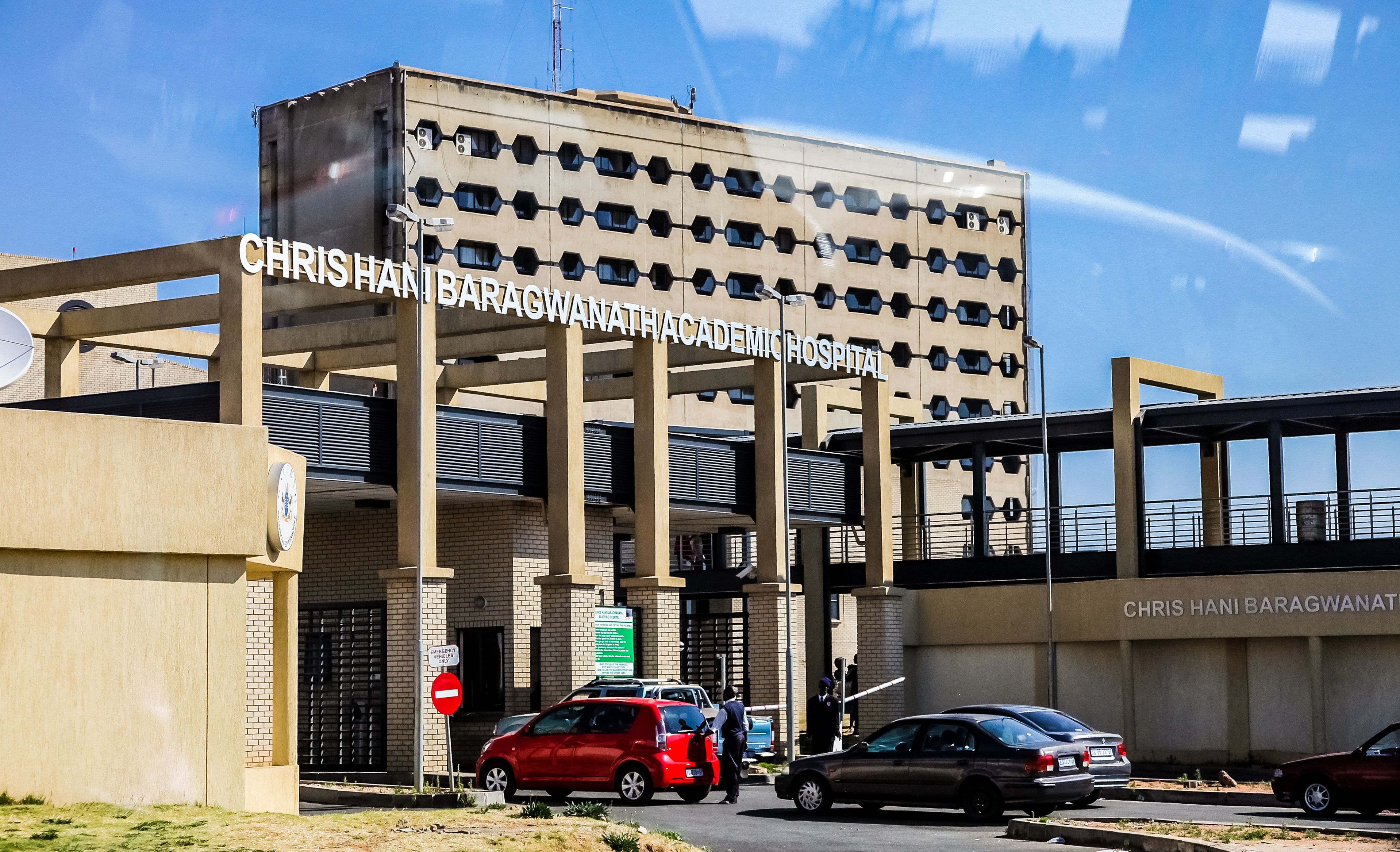
Strategically located near key public services, including Chris Hani Baragwanath Hospital, the new housing developments in Soweto aim to strengthen access and connectivity.
Looking ahead, transport is set to play a decisive role in Soweto’s future. Plans are underway to extend the Gautrain—the high-speed rail network that links Gauteng’s economic hubs—toward Soweto and Cosmo City. The extension would cut commuting times dramatically and connect residents more directly with jobs, schools, and services across the metropolitan area.
From foresight to action
Johannesburg’s experience shows how foresight and innovation can serve as powerful levers for urban transformation. The partnership with Council for Scientific and Industrial Research provided a structured, evidence-based method to anticipate long-term challenges and test alternative futures, while the Spatial Development Framework offers a pathway forward to translate this vision into practice. These tools have not remained at the level of abstract planning: they are guiding investment prioritization, shaping budgets, and driving tangible projects on the ground.
Johannesburg provides a valuable model for other cities grappling with entrenched spatial inequalities. The combination of long-term foresight, inclusive planning, and concrete implementation demonstrates how cities can move toward more equitable, connected, and resilient urban futures.
Discover more about Johannesburg on Metro Futures