The Future of Cities 2040 Workshop
Welcome to the Futures
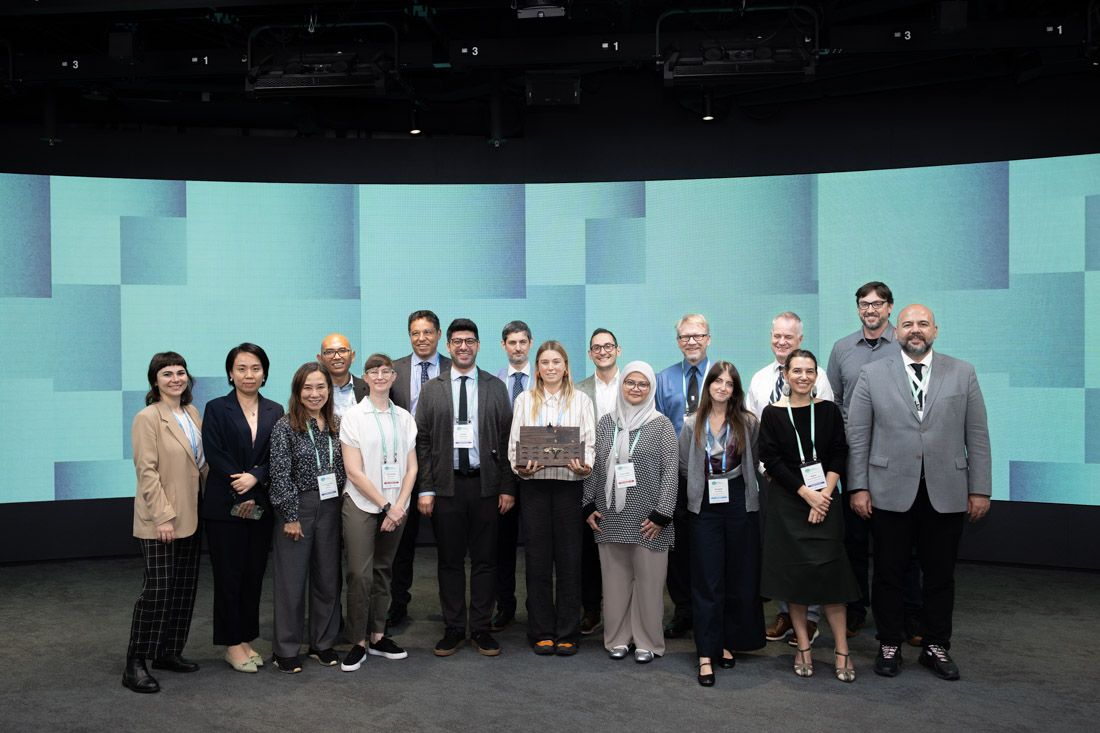
The Future of Cities 2040 Foresight workshop was delivered during the Metropolis 40th Anniversary Congress in Seoul, marking 40 years of collaboration among the world’s major cities. Rather than looking back on past achievements, the Congress turned its attention forward, asking how cities can better anticipate and shape the futures they are already moving into.
Hosted in partnership with the United Nations Development Programme (UNDP), the workshop was designed as a practical entry point to strategic foresight for senior city leaders from diverse geographies, governance contexts, and levels of foresight experience. The central challenge was to make foresight engaging for a varied group; grounded in robust methodology, yet connected to real metropolitan challenges.
To bridge this gap, the workshop combined a structured foresight process with experiential futures. Participants did not simply learn about future urban scenarios; they collectively co-created them. By working with shared “evidence” from the year 2040, analysing artefacts uncovered from these “futures”, the workshop built a bridge from imaginative exploration to actionable insights. The result was a shared understanding of how foresight can move from abstract thinking to everyday city decision-making.
Time Travelling to 2040
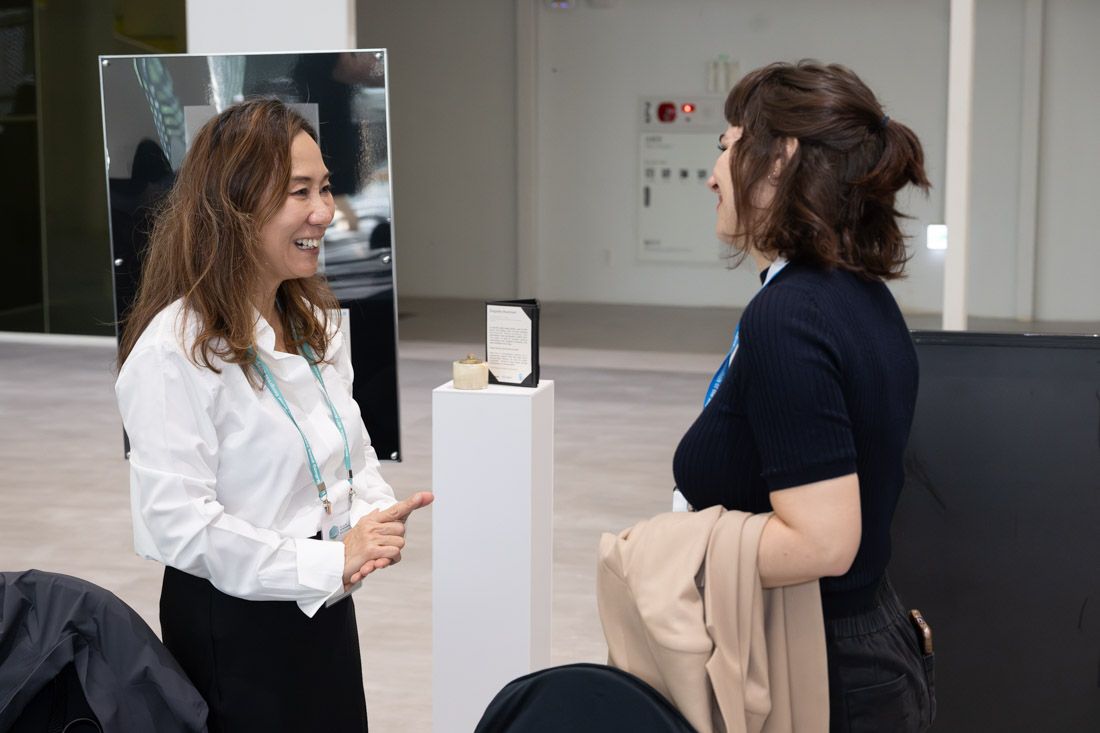
The workshop was deliberately designed to break with conventional conference formats and create the conditions for deeper engagement with plausible futures. Participants were welcomed into a fictional “2040 Futures Summit”, positioned as time travellers meeting peers from parallel urban timelines. This framing legitimised play as a method, giving senior practitioners permission to engage creatively without compromising professional credibility.
Rather than asking participants to imagine futures from scratch, the workshop grounded discussion in pre-developed urban scenarios created by the UNDP and Metropolis teams. These were framed through broad scenario archetypes (such as baseline, transformation, and decline), helping participants recognise trajectories their own cities might be drifting toward. Archetypes were chosen because they are quick to grasp, flexible across diverse city contexts, and effective for stress-testing decisions without implying prediction.
Immersion began before participants arrived. A dedicated microsite introduced the scenarios alongside fictional “time travel” briefings, while participants also received Soon Magazine; a foresight publication set in 2040. These materials subtly introduced the different timelines and embedded foresight concepts in an accessible, narrative form. This step-by-step immersion into a shared set of futures reduced reliance on specialist jargon and ensured participants from different regions and disciplines could engage on equal footing.
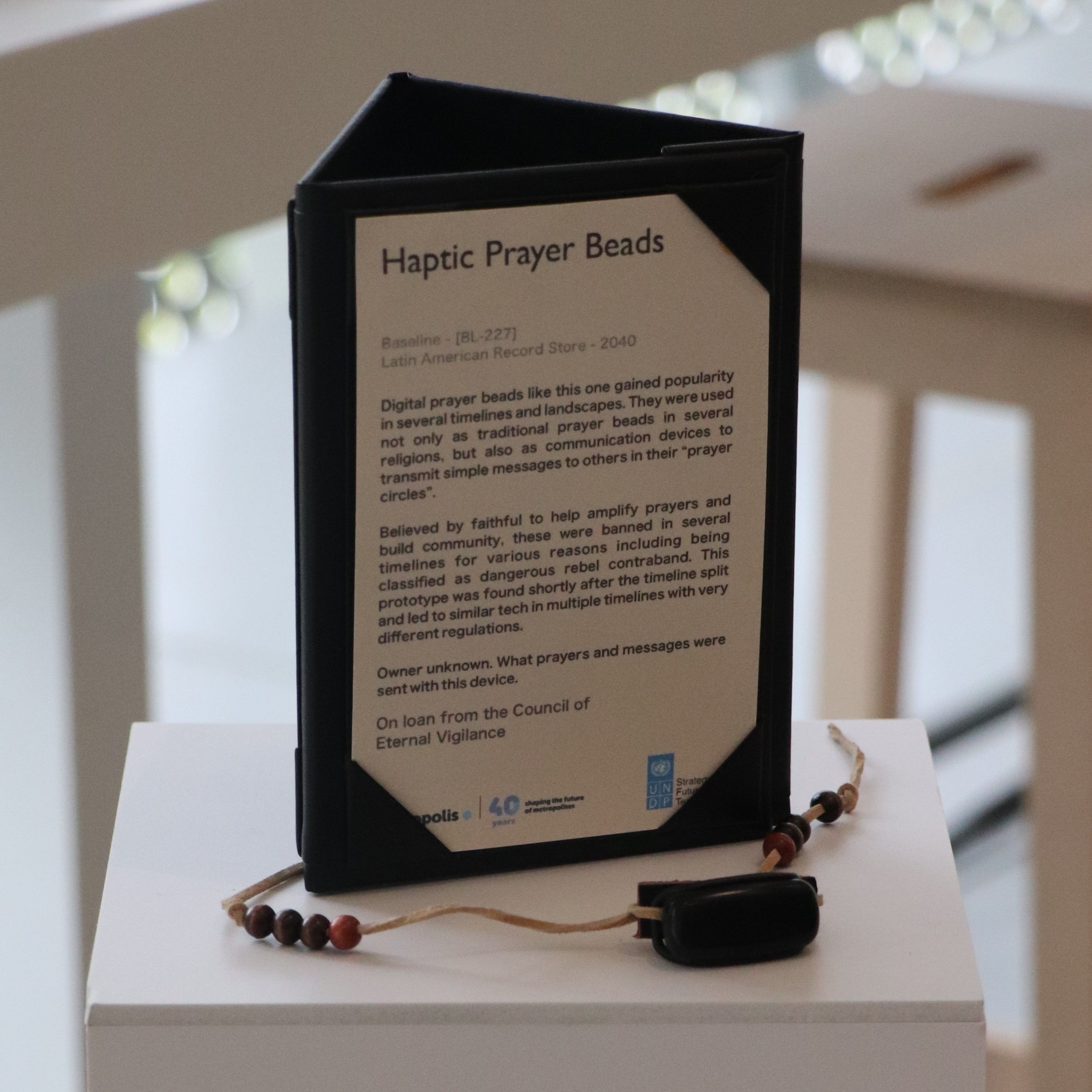
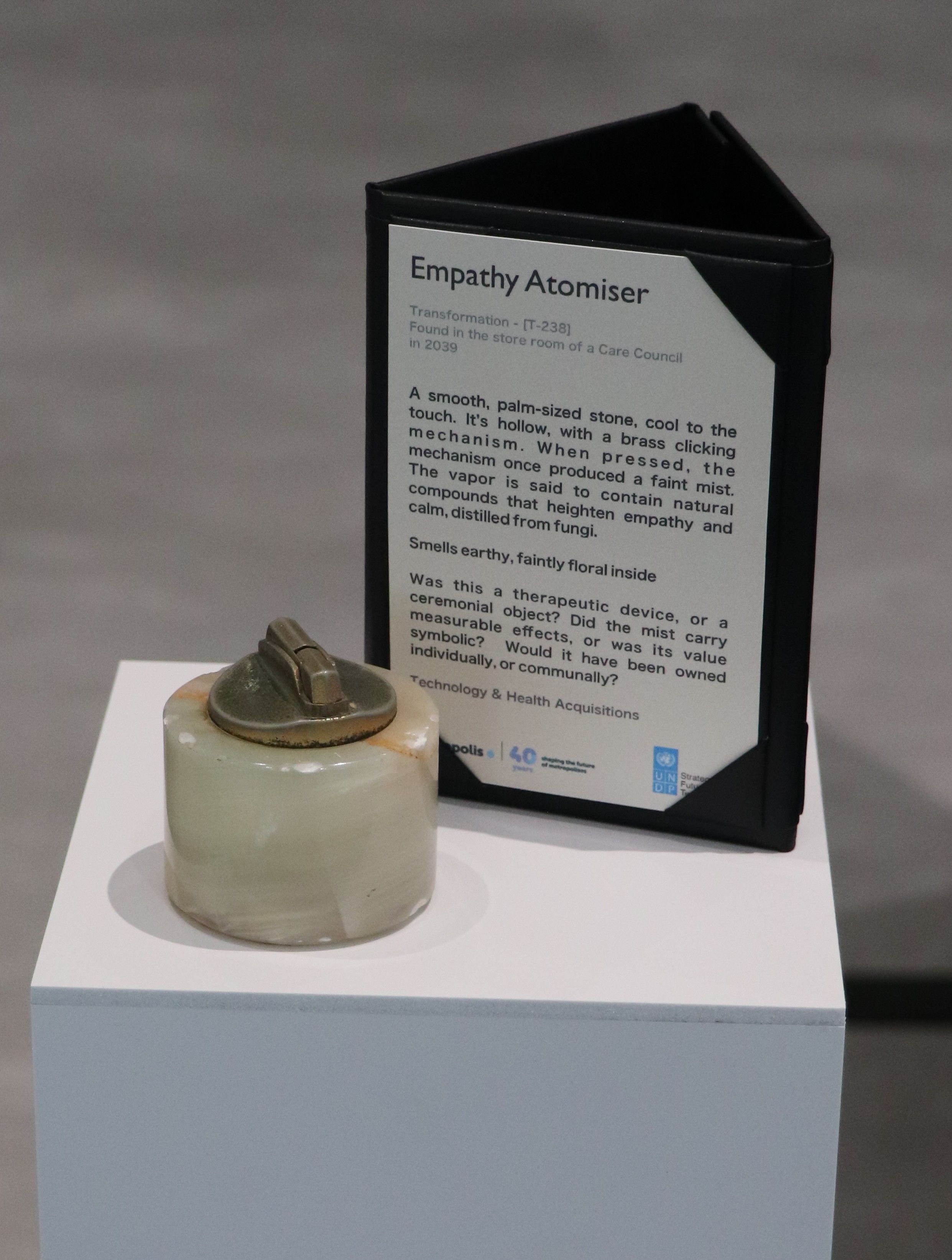
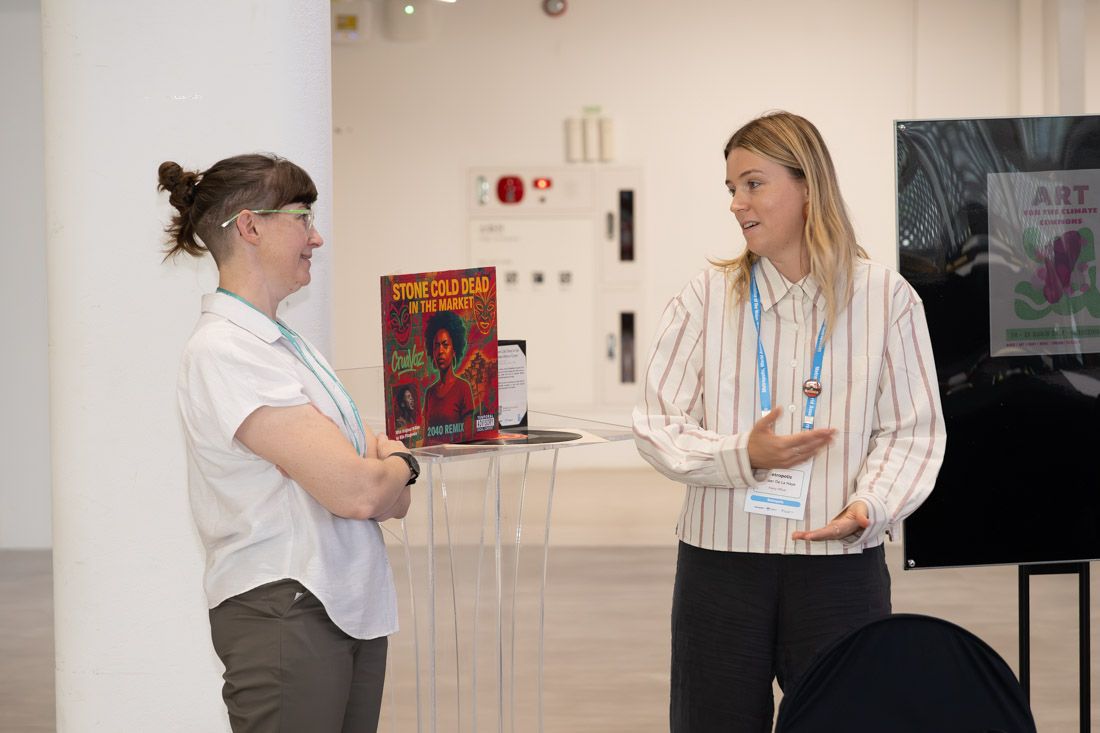
Co-creation was a central design principle. When participants have a stake in shaping something, they are more invested in it. Participants were assigned roles from their future scenario, from AI Mediator to Community Joy Designer and even a Queuer for Hire. They also explored tangible objects from their futures, and speculated on the purpose of a range of artefacts from the futures via a card game. By handling objects, inhabiting future roles, and imagining how these artefacts functioned in everyday life, participants surfaced assumptions and collectively enriched the details of the scenarios they were exploring.
The overall arc of the workshop moved from immersion to interpretation, and then toward preferred futures and action. Experiential exploration was not an end in itself; it was carefully structured to generate insights that could prompt policy action that guides toward desirable futures and away from undesirable ones. Participants translated the scenarios they had co-created into implications, milestones for policies, and strategic considerations.
On the second day, participants stepped back to look “behind the scenes”, and were introduced to the six-step foresight process outlined in this toolkit in order to apply these methods within their own institutions. While stepping outside day-to-day pressures to imagine futures is valuable, the deeper aim was to enable city leaders to develop their own tailored scenarios and systematically stress-test policies against plausible futures, embedding foresight as an ongoing governance capability rather than a one-off exercise.
From Time Travel to Foresight
Although participants encountered the futures through immersive and experiential formats, the workshop was built on rigorous preparation aligned with the six-step strategic foresight process. In advance of the Congress, the project team worked through framing the challenge, scanning signals of change, and sensemaking to surface drivers and uncertainties shaping metropolitan futures.
These insights were translated into four scenario archetypes, designed to be broad enough to travel across city contexts while remaining grounded in evidence. Rather than presenting this analysis directly, the team embedded it into narratives, timelines, personas, and artefacts, allowing participants to uncover and interpret the foresight work themselves.
Exercises were planned to move from immersion to interpretation, and then toward implications, preferred futures, and action. This mirrored the arc of the toolkit, setting up a shift from experiencing futures, to designing pathways for change, and finally understanding how the process can be mainstreamed: replicated, adapted, and included in city planning and policy cycles.
Letters to the Future
Across the workshop, recurring concerns included climate impacts (heat stress and sea level rise), mobility pressures, governance challenges, and citizen trust. Participants explored the scenarios, treating changes across the next decades as plausible, especially when reflecting on recent rapid societal shifts.
The format demonstrated that co-creation of future visions helps build shared understanding. With tangible future scenarios as common reference points, participants moved faster into concrete questions: legitimacy, equity, service delivery under stress, and what cities can do now to build an equitable future.
To close the workshop, participants wrote letters to their future city and placed them in a time capsule to be opened in 2040. This shared, final act created space to articulate values, responsibility, and hope. It reinforced a core insight: foresight matters most when it strengthens agency to make changes that lead towards preferred urban futures. By making long-term futures tangible, foresight helps city leaders justify difficult decisions, mobilise coalitions, engage residents, and translate distant ambitions into choices taken today.